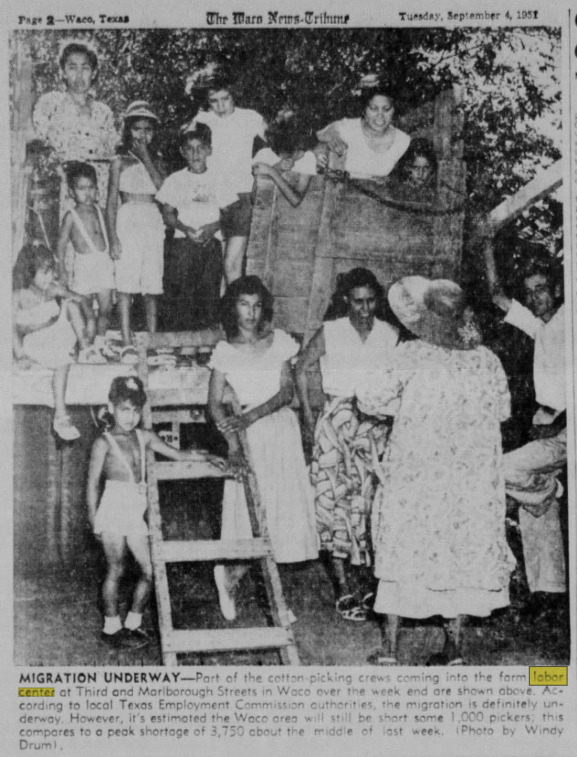
Farm Labor Camp
Text
The rapid rise of migrant labor in Texas in the 1940s brought large numbers of laborers to Waco. To accommodate this new situation, the city of Waco acquired funds to build the Waco Farm Labor Camp, a center where workers could stay and receive aid while following the crops. Although the camp was only in operation for about twenty years, it had a long-lasting impact on the Waco community.
The Bracero Program, a program through which American farmers in need of laborers could hire Mexican workers in need of a job, began in 1942 due to a decrease in available American farm labor caused by World War II. Although Texas was initially excluded from this program due to its history of discrimination against Mexican immigrants, the “Bracero Ban” was lifted in 1946, and Texas became one of the first stops workers would make as they followed work across the United States.
Waco quickly became a hub for migrant workers because of its cotton crops. As more and more workers came into Waco, the McLennan County Farm Bureau, the Texas Employment Commission, Texas Agri-Life Extension, and the Waco Chamber of Commerce came together to provide them with resources and a place to stay. The Chamber of Commerce began raising funds in 1946, and the new farm labor center was built by the next harvest season.
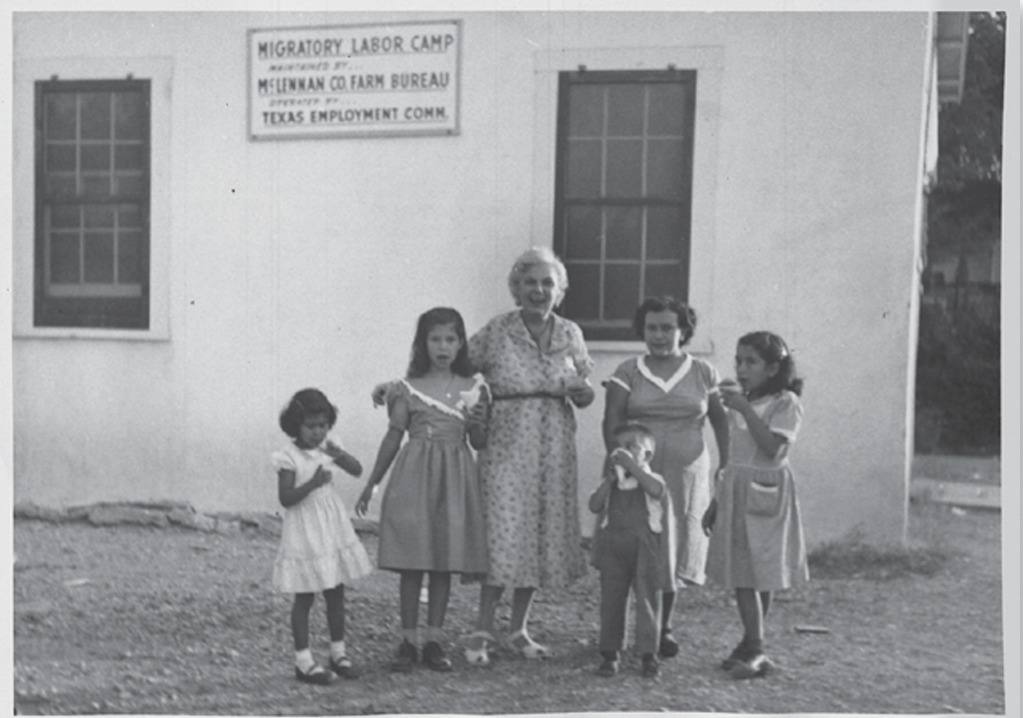
Initially, the camp consisted of a large Quonset hut on the corner of 3rd Street and Marlborough (now Bosque) Avenue. It accommodated about 100 workers, providing housing, showers, first aid supplies, and other support. However, due to its frequent use and the number of families that came into town every harvest, the facility was quickly expanded in 1947. Along with the services provided at the camp, volunteer organizations such as Church Women United in Waco worked to supply laborers with food, a nursery, a kindergarten, immunizations, and other services.
Aside from its primary function, the camp also became a home for other farm support services. It housed the McLennan County Farm Bureau’s income tax office and often hosted 4-H and FFA (Future Farmers of America) events and livestock shows. It also served as a meeting place, where local farmers could come to recruit laborers and workers could come when they needed a job.
The center was renovated and expanded in 1957. It grew to accommodate up to 400 workers in a season. It continued to be a hub for agricultural activity in Waco until the 1960s. In 1964, the government discontinued the Bracero Program, and Waco no longer needed a labor center. Its use slowly decreased, and the city finally demolished it and built a new health center in its place during Urban Renewal. The site of the labor camp is now home to the Waco-McLennan County Public Health District.
Files
Expert Opinions
In the late 1950s, many towns began expanding their labor camps, now cramped due to increases in labor, out of concern that crowded quarters could contribute to polio outbreaks. The city of Waco consulted members of the Church Women United, who had been volunteering at the camp for years and had extensive knowledge of its shortcomings, as well as the League of United Latin American Citizens and other volunteer organizations, on what renovations needed to take place at the labor camp. | Source: Image courtesy of The Texas Collection, in Church Women United in Waco records, Accession #2073, The Texas Collection, Baylor University.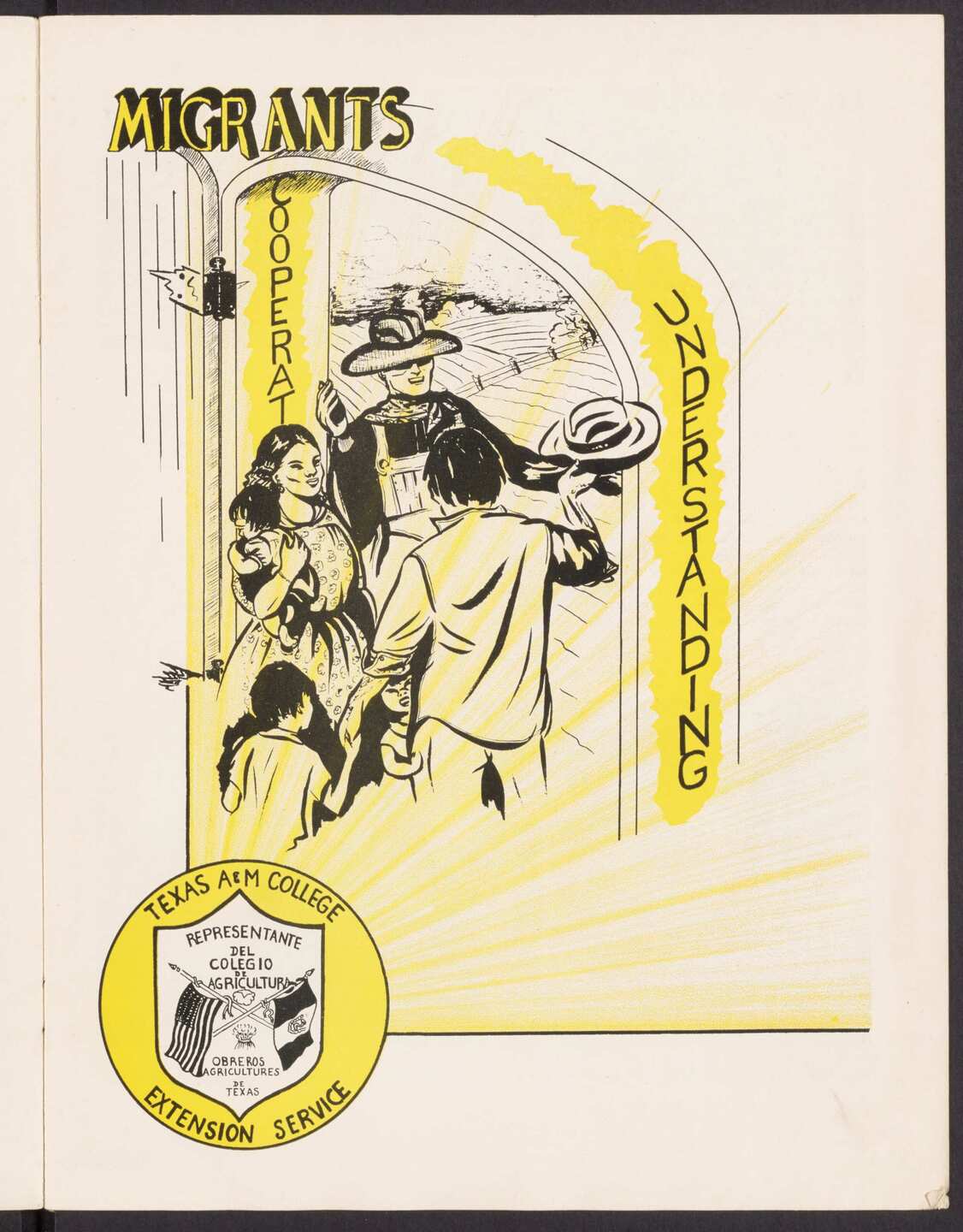
Serving Texas Farmers
From 1943 to 1947, Texas A&M College Extension Services oversaw the operations of the Farm Labor Program. Extension’s practical research and involvement in Texas agriculture meant it had ample knowledge of farmers’ needs and availability of local labor, which it put to good use working with government agencies, connecting farmers and workers, and providing facilities for laborers. | Source: Image courtesy of Texas Agricultural Extension Service, "Farm Labor Program in Texas 1943-1947," California Revealed, 1947, https://californiarevealed.org/do/7e58a46d-7ce2-4702-b825-a740f22dab3e.
From Lot to Living Quarters
The Farm Labor Camp stood on the corner of 3rd Street and Marlborough Avenue, not far from the banks of the Brazos. Prior to the building of the camp in 1946, the empty lot acted as a space for laborers to park their vehicles and set up their own small camps while they worked in the Waco area. | Source: Image courtesy of Sanborn Map Company, “Sanborn Fire Insurance Map from Waco, McLennan County, Texas,” Image 27. Library of Congress, 1950, https://www.loc.gov/resource/g4034wm.g4034wm_g08803195002/?sp=27.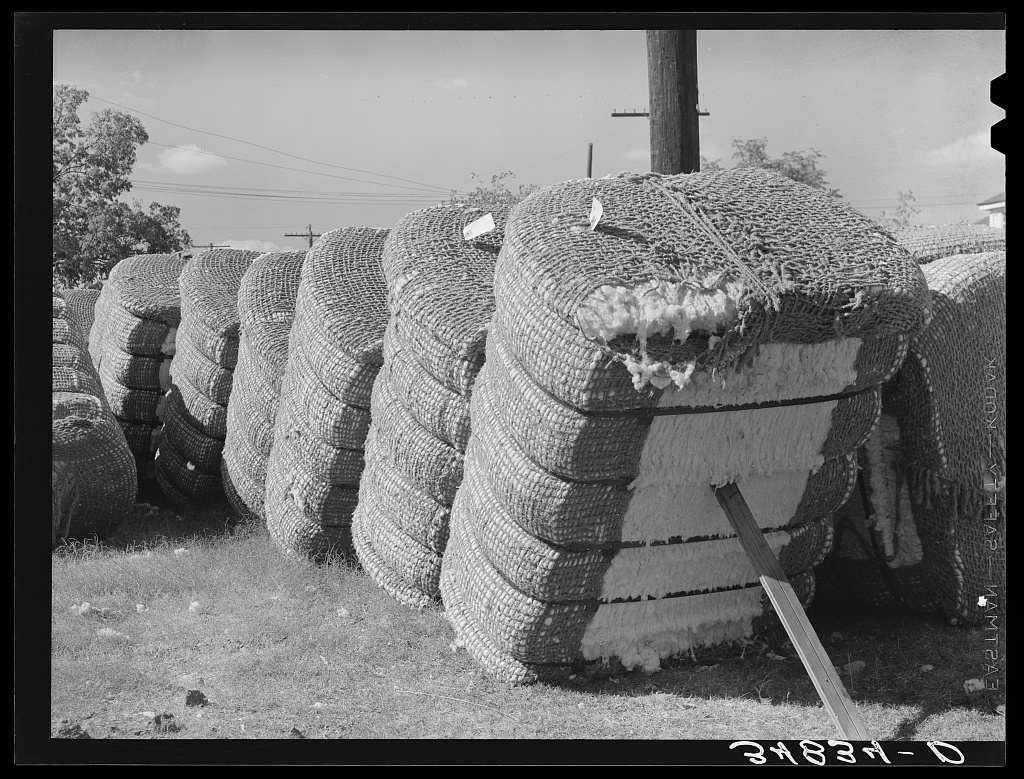
Cotton Complications
McLennan County’s abundance of cotton crops attracted large numbers of migrant workers. Prior to the introduction of the Bracero Program in Texas, local farmers were struggling to find adequate labor to care for and harvest their crops, resulting in a decrease in cotton production and quality. | Source: Image courtesy of Russell Lee, “Bales of cotton in gin yard. West, Texas,” photograph. Library of Congress, 1939, https://www.loc.gov/item/2017784916/.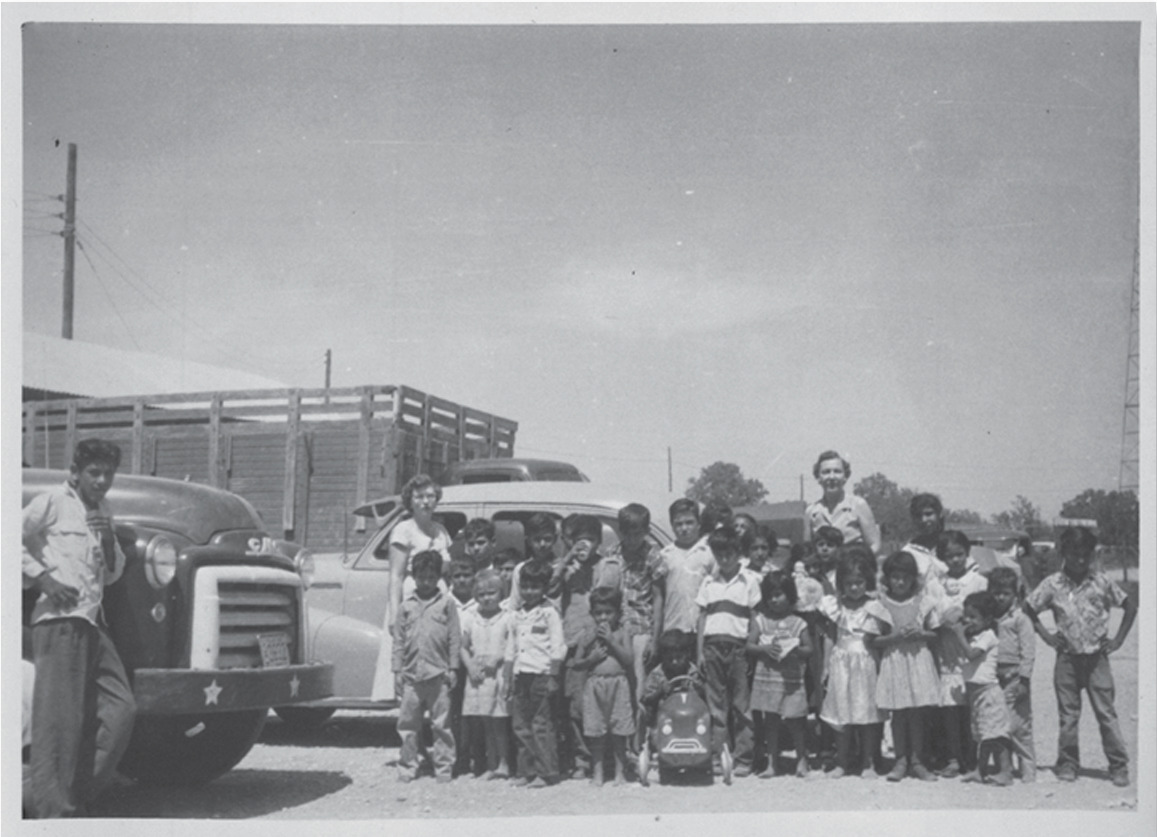
Caring for the Whole Family
Migrant workers often traveled with their entire family. To help care for young children, volunteer organizations in Waco, such as Church Women United, ran a kindergarten and a nursery during working hours. | Source: Image courtesy of The Texas Collection, in Church Women United in Waco records, Accession #2073, The Texas Collection, Baylor University.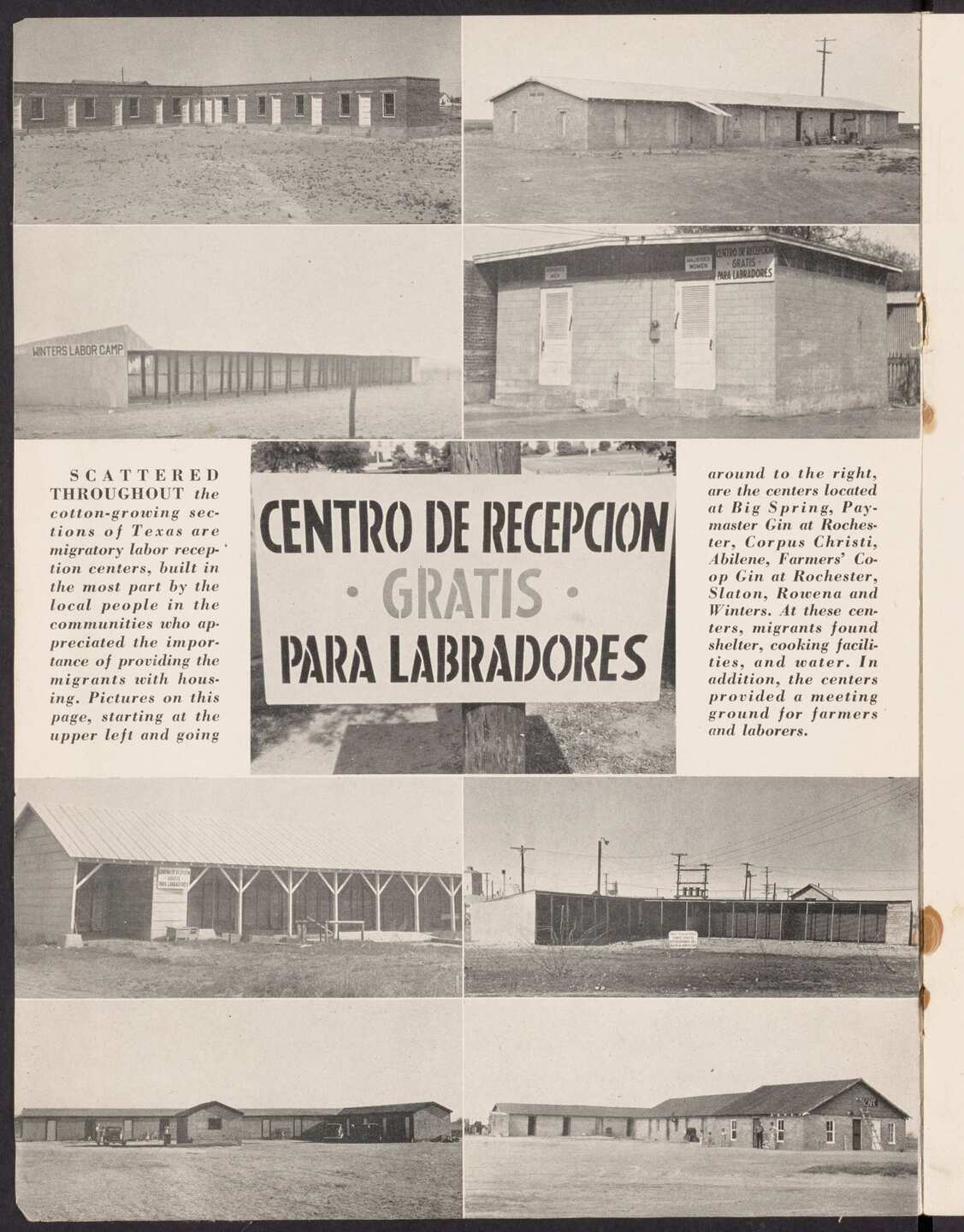
A Statewide Effort
Many cities across Texas built camps similar to the Waco Farm Labor Camp to accommodate migrant workers. While the camps varied in size and layout, all provided somewhere to stay, a place to cook and eat, and a lot for workers’ pickup trucks. | Source: Image courtesy of Texas Agricultural Extension Service, "Farm Labor Program in Texas 1943-1947," California Revealed, 1947, https://californiarevealed.org/do/7e58a46d-7ce2-4702-b825-a740f22dab3e.