Waco Wizards
Text
Until the 1990s, hockey teams in the South were few and far between. The heat prevalent in the southern states did not exactly lend itself to ice-based sports, leading locals to favor warm-weather sports such as baseball and football. However, the National Hockey League’s (NHL’s) expansion teams began to gradually make their way further south throughout the 1990s, spreading a new interest in the sport. In 1993, the expansion reached Texas when the Minnesota North Stars moved to Dallas, becoming the beloved Dallas Stars.
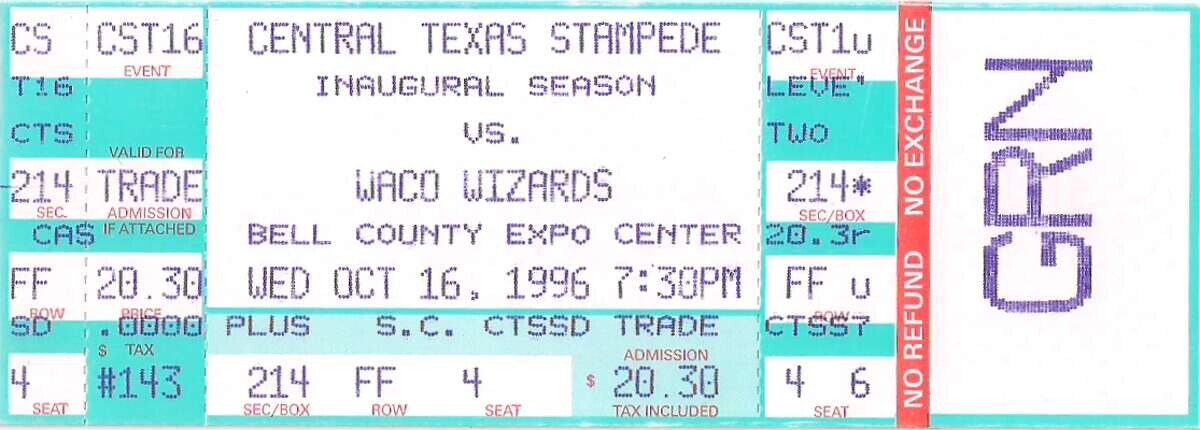
With these new NHL teams came their minor league counterparts. The majority of these new minor league teams belonged to the Western Professional Hockey League (WPHL), which operated from 1996-2001 and stretched from New Mexico to Mississippi. In 1996, Waco became home to one of Texas’ five (soon to become eleven) WPHL teams, the Wizards. The Waco Wizards played in the WPHL’s first ever game on October 16, 1996, against the Central Texas Stampede from Belton. The game resulted in an unfortunate 5-4 loss for Waco.
The Wizards played their home games in Waco’s Heart of Texas Coliseum, now called the Extraco Events Center. Their first home game exemplified both the struggles and the vibrancy of minor league play in the South. Waco’s humidity caused a thick fog to gather over the ice, and the Wizards’ administration had to send for dehumidifiers from Dallas to dry out the building. They were able to clear some of the fog, but the glass around the rink remained foggy throughout the game, blocking the enthusiastic but somewhat confused fans. On top of that, a creative and well-intentioned mascot stunt went awry. During the pre-game ceremonies, the Waco mascot was lowered from the Coliseum’s ceiling in full Wizard costume. Unfortunately, the bulky costume got in the way of the mascot attempting to release himself from the straps after the stunt, resulting in him hanging for a while over the ice.
In their first season, the Wizards averaged 3,161 fans in attendance (about one third of the Coliseum’s capacity) and finished with a 30-34 record. The team experienced a sophomore slump the next year, averaging 2,048 fans in attendance each game and finishing 18-51, a WPHL record for a team’s worst season. However, new head coach Todd Lalonde turned the team around in its third season and brought the Wizards to the playoffs after achieving the Wizards’ first ever winning record with 40 wins and 29 losses. Despite the Wizards’ success, attendance stayed low, with an average of 2,137 fans a game.
In their three and a half seasons, the Wizards replaced their manager four times and never had a player advance to the National Hockey League (NHL). Their overall record came to 99 wins and 114 losses. During the first three seasons of operation, the team reportedly lost three million dollars. In 1999, the Wizard’s owner, Ohio businessman Joe Milano, sold the team to Rick Dames, a radio station owner from Corpus Christi. Dames in turn partnered with baseball executives Stu and Sue Kehoe in an attempt to revitalize the dying franchise. Their attempts were unsuccessful, and when they were unable to make their lease payment to the Coliseum, the team folded after only having played 27 games in the 1999-2000 season. The Wizards went out the same way they began: with a loss, this time to the Corpus Christi IceRays.
The WPHL lasted another year after the Wizards folded before merging with the Central Hockey League, which in turn lasted until 2013. The WPHL saw a resurrection in 2024, when a group of minor league teams in California came together to revive the once-beloved league. Although the Wizards only existed for a few years, they sparked a love for hockey in the people of Waco.
Files
Power Play
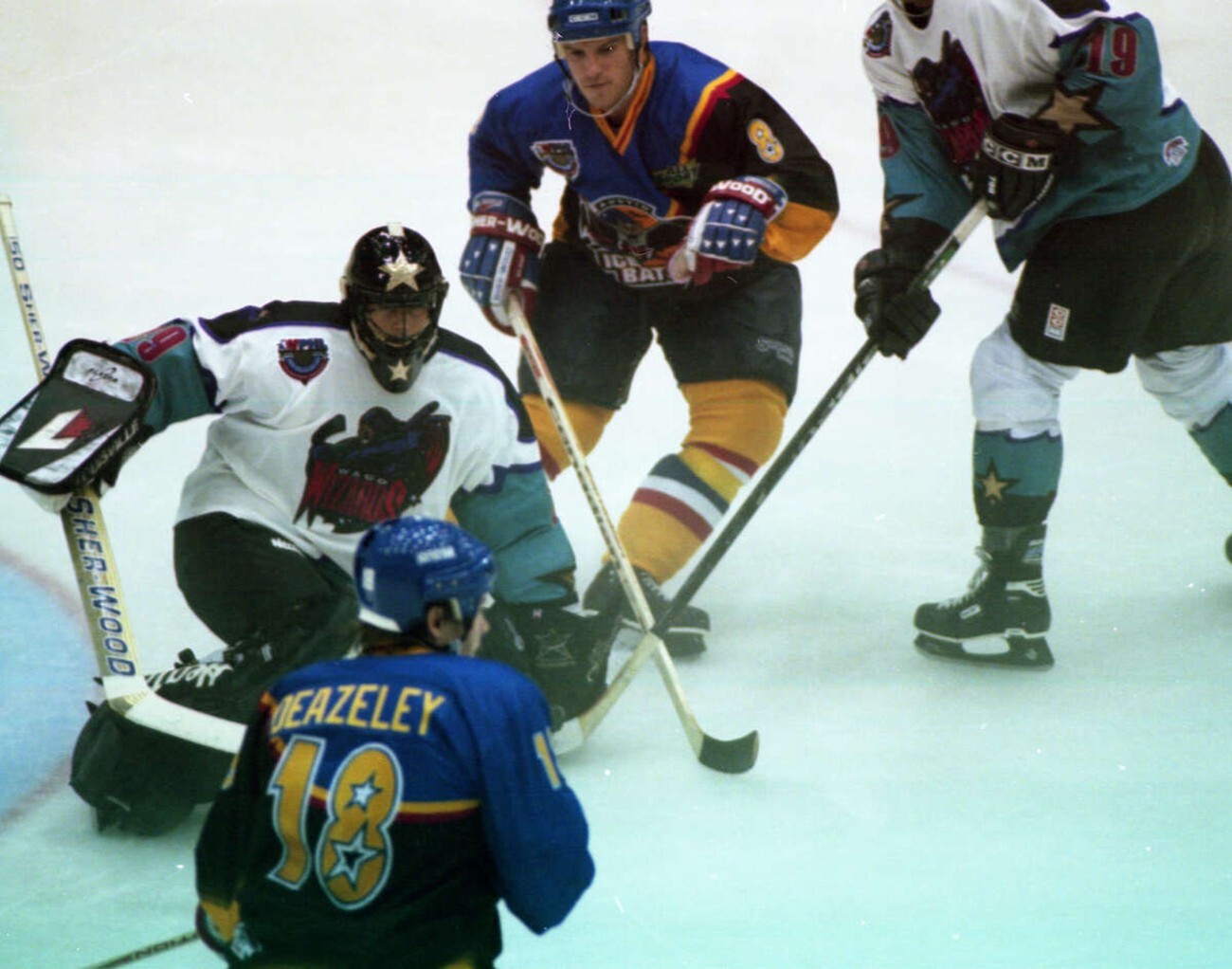
The Wizards’ best season was from 1998-1999, in which they had a 40-22 record and made it to the playoff quarterfinals. That season, head coach Todd Lalonde was named WPHL Coach of the Year, and rookie goaltender Kory Cooper won both WPHL Rookie of the Year and Most Outstanding Goaltender. | Source: Image courtesy of Patrick Springfield, Houston Chronicle, October 13, 2021. https://www.houstonchronicle.com/texas-sports-nation/general/article/Western-Professional-Hockey-League-25-years-16528758.php.
Mascot Mutiny
Most Wacoans loved their hockey team’s colorful Wizard mascot, and it quickly became a fan favorite in the league. However, some evangelical groups in the Waco area protested the team’s choice, arguing that it endorsed witchcraft and black magic. | Source: Image courtesy of Elite Prospects, copyright 2025, https://www.eliteprospects.com/team/809/waco-wizards/1997-1998?tab=stats.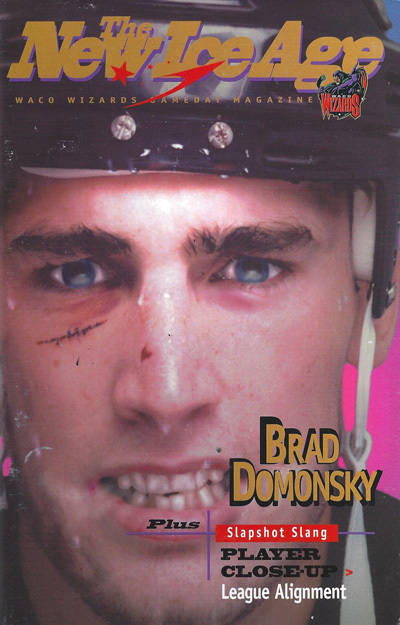
In the Sin Bin
The WPHL was known for the aggression of its players and the number of fights that took place during its games. The Waco Wizards were no exception. One of the Wizards’ most aggressive players was forward Brad Domonsky, who led the Wizards in time spent in the penalty box per season. | Source: Image courtesy of Fun While It Lasted, “1998-99 Waco Wizards Program,” Fun While It Lasted, copyright 2025, https://funwhileitlasted.net/2020/05/31/1996-1999-waco-wizards/.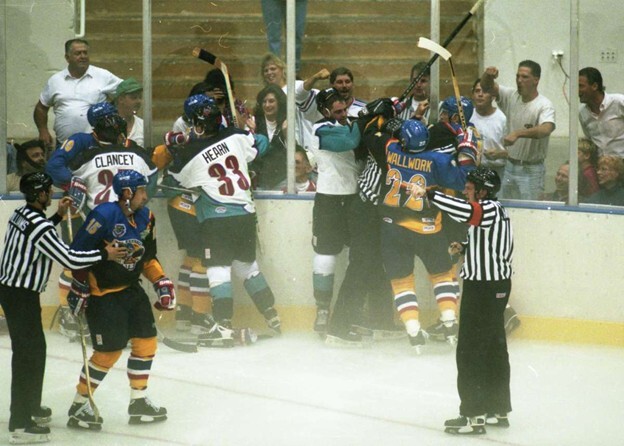
Launching the League
The Waco Wizards were one of the original six Western Professional Hockey League teams. The other five included the Central Texas Stampede (Belton), the El Paso Buzzards, the New Mexico Scorpions (Rio Rancho), the Austin Ice Bats, and the Amarillo Rattlers. | Source: Image courtesy of Patrick Springfield, Houston Chronicle, October 13, 2021. https://www.houstonchronicle.com/texas-sports-nation/general/article/Western-Professional-Hockey-League-25-years-16528758.php.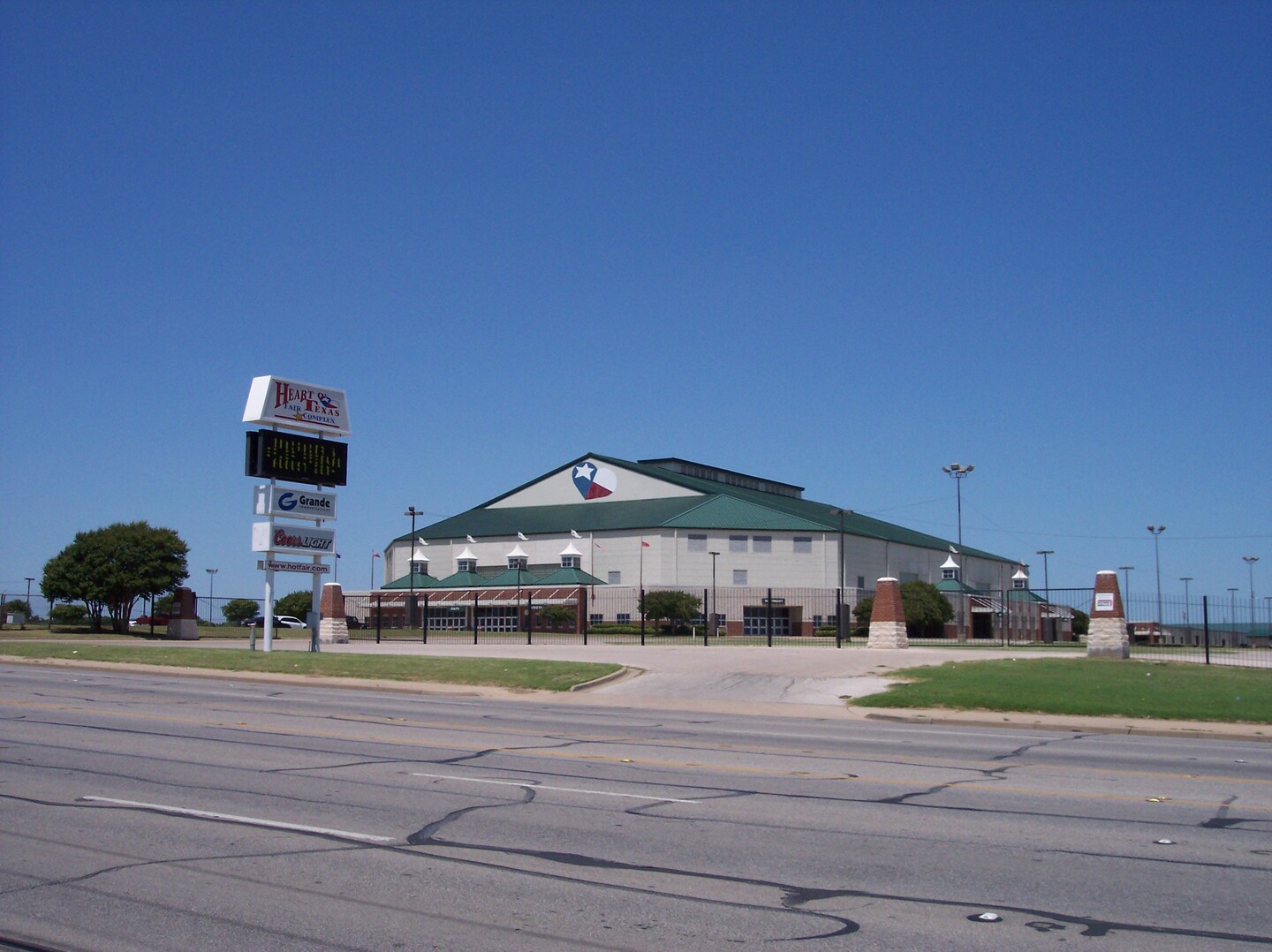
Rink and Rodeos
The Wizards played at the Heart of Texas Coliseum. Built in 1953, the large complex hosted fairs, rodeos, concerts, and was the longtime home of Baylor basketball until the construction of the Ferrell Center. | Source: Image courtesy of Wikimedia Commons, “Waco's Heart O' Texas Coliseum,” Wikipedia, 2010, https://en.wikipedia.org/wiki/Extraco_Events_Center#/media/File:Heart_O'_Texas_Coliseum_2.jpg.
Hockey 101
The Wizards’ first game, at the Central Texas Stampede of Belton, drew large crowds of excited fans who were eager to experience this new sport. The fans’ enthusiasm was somewhat tempered, however, by their lack of knowledge of the game. Not realizing that hockey games consist of three periods rather than two halves, many fans began to leave during the second intermission because they thought the game was over. | Source: Image courtesy of Mark McLain, Houston Chronicle, October 13, 2021. https://www.houstonchronicle.com/texas-sports-nation/general/article/Western-Professional-Hockey-League-25-years-16528758.php.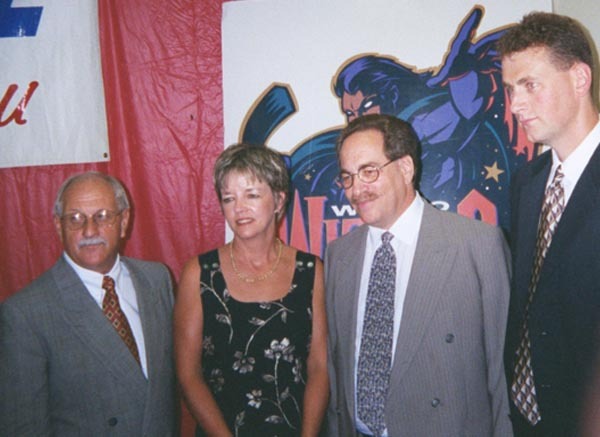
Switching Sports
Majority owner Rick Dames and minority owners Stu and Sue Kehoe only ran the team for part of a season before folding. Before investing in the Wizards, Stu Kehoe was the general manager of the Vancouver Canadians, a Triple-A baseball team. | Source: Image courtesy of the Waco Wizards Unofficial Fanpage.
Yard Sale
The WPHL began in 1996 with only seven teams, but the league quickly expanded and by the 1999 season boasted 18 franchises. In 2001, the WPHL merged with the Central Hockey League, where its remaining teams played until 2013. | Source: Image courtesy of Fun While It Lasted, “1999-00 Western Professional Hockey League Media Guide,” Fun While It Lasted, copyright 2025, https://funwhileitlasted.net/2020/05/31/1996-1999-waco-wizards/.
Most Valuable Wizard
Tony Cimellaro, who played center and coached for Waco, was one of only two Wizards players to have spent time in the National Hockey League, having done a brief stint with the Ottawa Senators in 1992. With 42 goals and 68 assists, Cimellaro was the Wizard’s highest all-time scorer. | Source: Image courtesy of Ice Hockey Wiki, “Tony Cimellaro,” Fandom, https://icehockey.fandom.com/wiki/Tony_Cimellaro.