African American History
African Americans have held a central role in the development of Waco and McLennan County since the first permanent settlements were established in the mid-nineteenth century. The first black residents came to Central Texas primarily as slaves to white cotton farmers. Within ten years of the city’s incorporation, however, the South had lost the Civil War and African Americans worked to build new lives as freedmen and freedwomen. Within this work toward social and economic equality, African Americans shaped the history of local communities as they moved into the twentieth century. Tenant farmers and sharecroppers produced the cash crop which brought prosperity to the city, and black entrepreneurs opened businesses on Waco’s Bridge Street. In the areas of education, finance, and religion, new institutions fostered the betterment of black lives. African American success was evident in many fields, including politics, the military, sports, and the arts.
This tour invites you to explore the local landscape of African American history through some of the people, places, and events which have helped to shape that story.
Stories 36
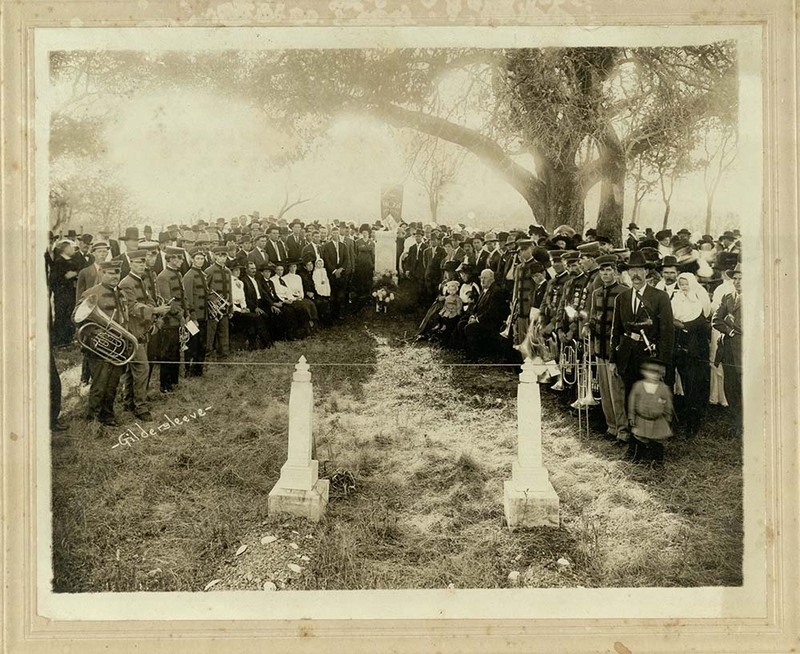
Greenwood Cemetery
For over a century, Greenwood Cemetery has stood as a final resting place for many Wacoans and as an important marker for city history. Established as a segregated cemetery in 1875, Greenwood sits…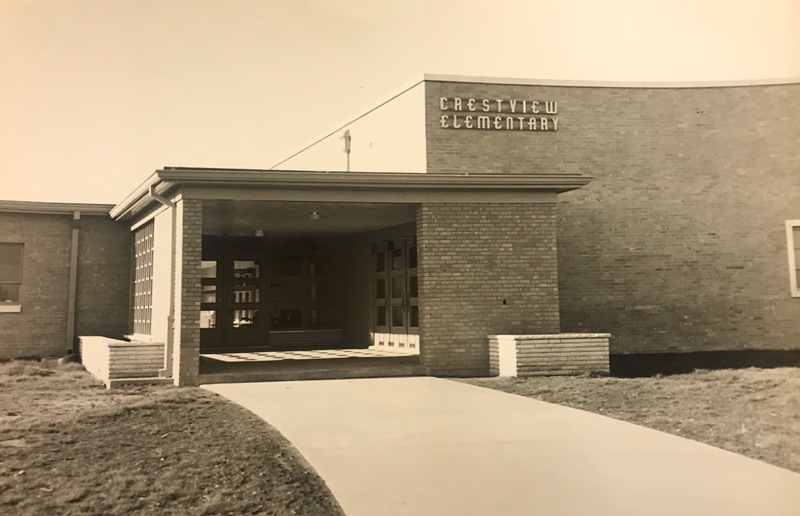
Arvizu v. Waco Independent School District
When initial efforts to racially integrate the Waco Independent School District (WISD) proved insufficient in bringing about educational equality, community members like Pete D. Arvizu took to the…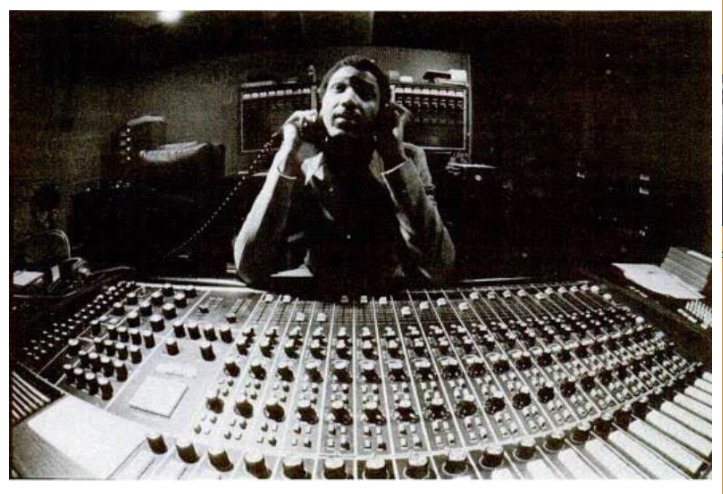
Tom Wilson
Music producers generally work behind the scenes garnering little public recognition. Some, like Phil Spector and Quincy Jones, earned acclaim outside the industry; however, others faded into…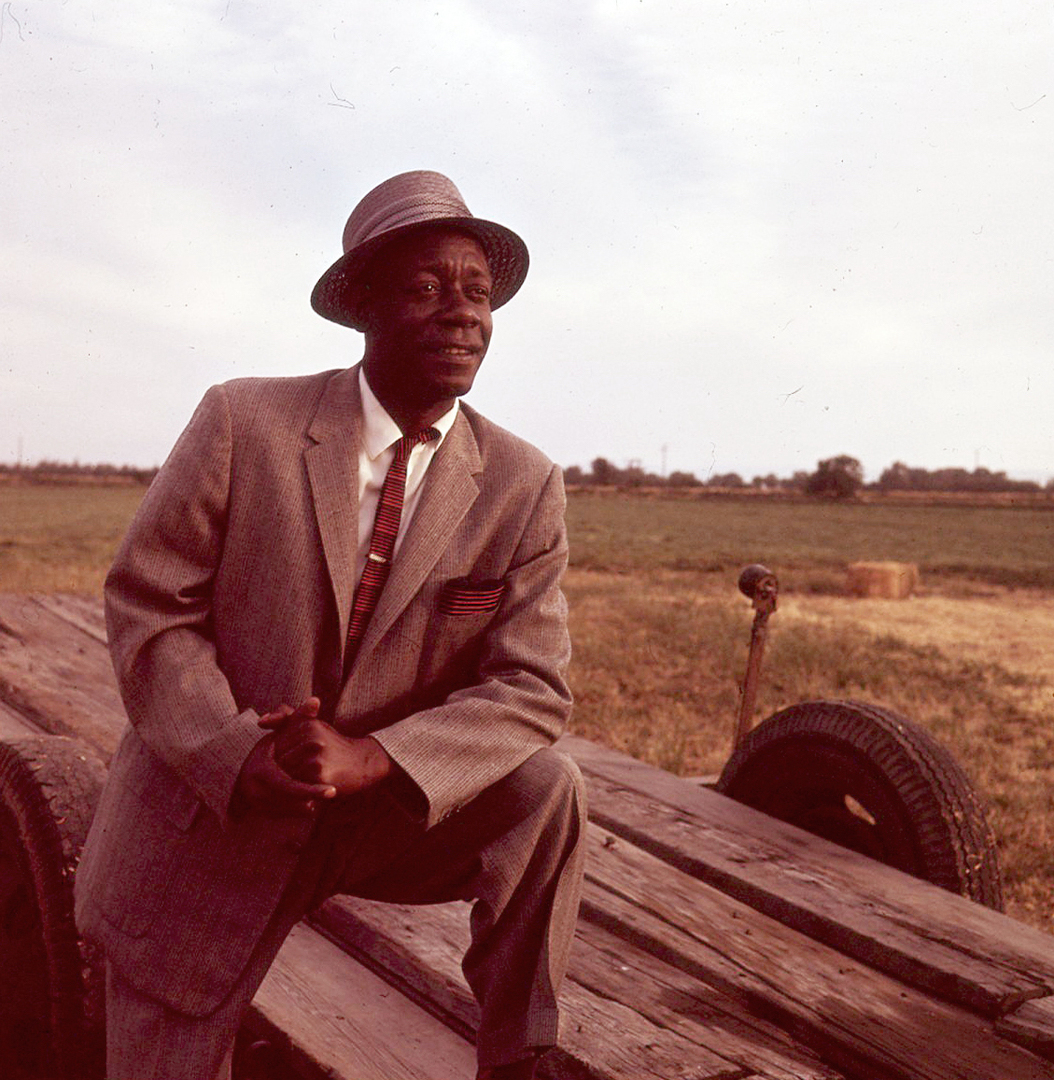
Mercy Dee Walton
With a bellowing voice and masterful piano playing, Mercy Dee Walton emerged as an early influence in rhythm and blues not only in Waco but across the country. Towering figures such as Ma Rainey and…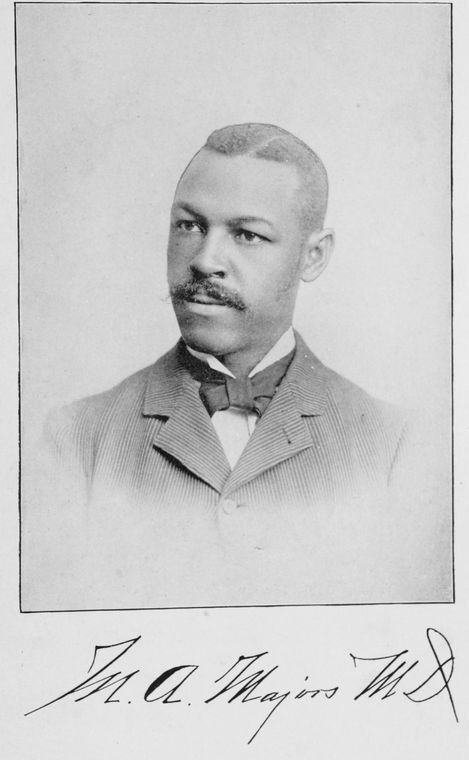
Dr. Monroe A. Majors
Monroe Alpheus Majors—the first Black Texan to obtain a medical degree—was never content simply to be a pioneer for African Americans in the field of medicine. Throughout his life, he pursued writing,…
Lewis "Les" Ritcherson
Lewis “Les” Ritcherson, born in Hillsboro, Texas in 1926, was the first African American to coach at the University of Wisconsin and the second African American football coach in the Big Ten.…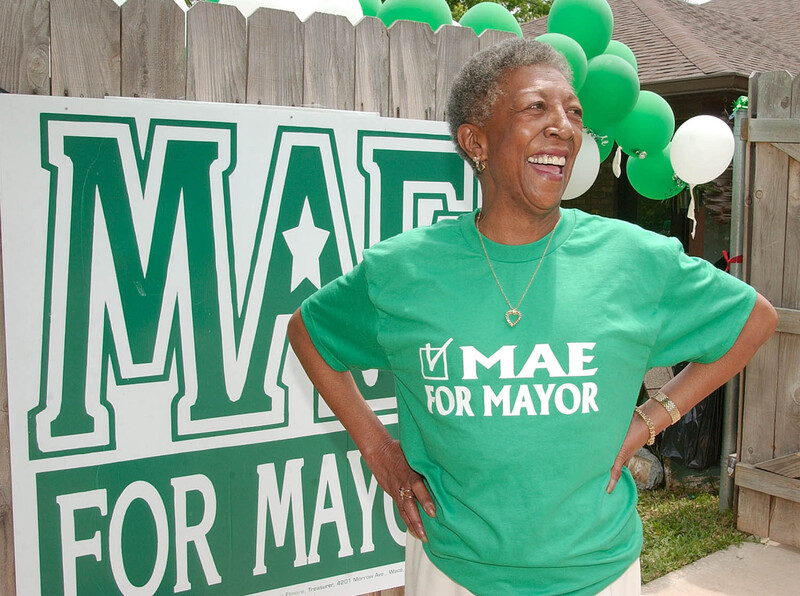
Dr. Mae Jackson
Born the daughter of educators in segregated Mexia, Texas, in 1941, Mae Allison Johnson developed an early understanding of the significance of education and equality. Her parents, Allison Johnson and…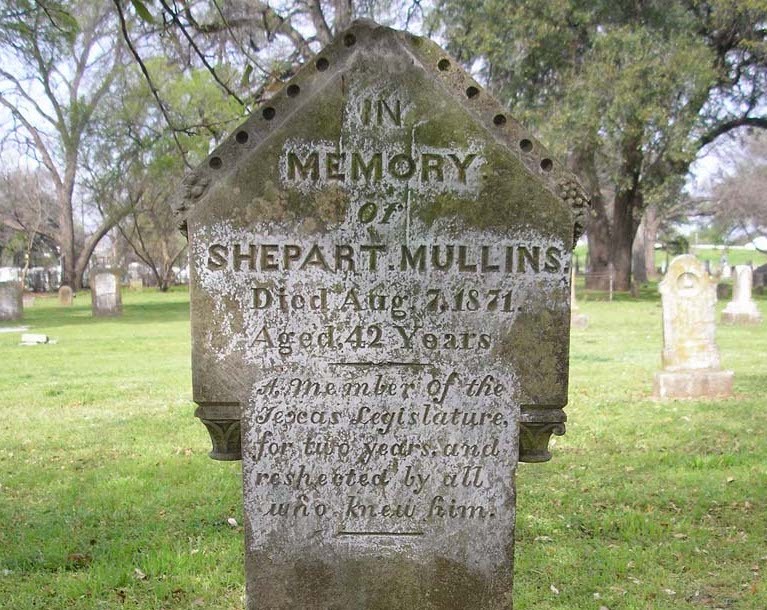
Shep Mullens
At the end of the Civil War, a new nation seemed to be on the horizon. Emancipation and the beginning of Reconstruction signaled a shift in national, state, and local institutions across the country.…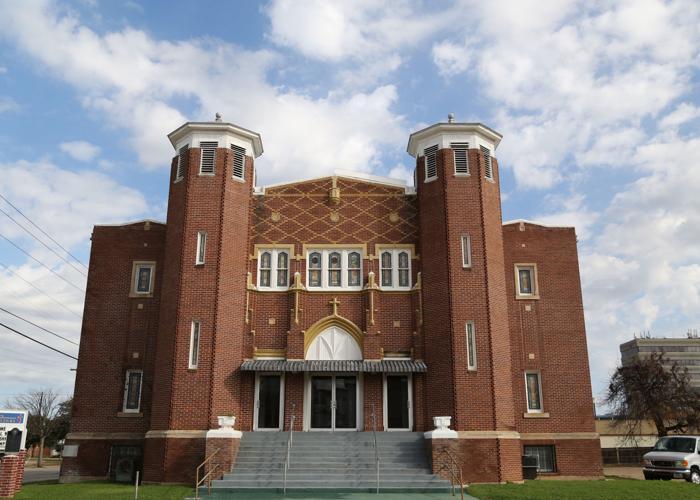
St. James United Methodist Church
St. James United Methodist Church, originally a Methodist Episcopal church, has existed almost as long as the city of Waco itself. Founded in 1874 by Anderson Brack, a formerly enslaved man, the…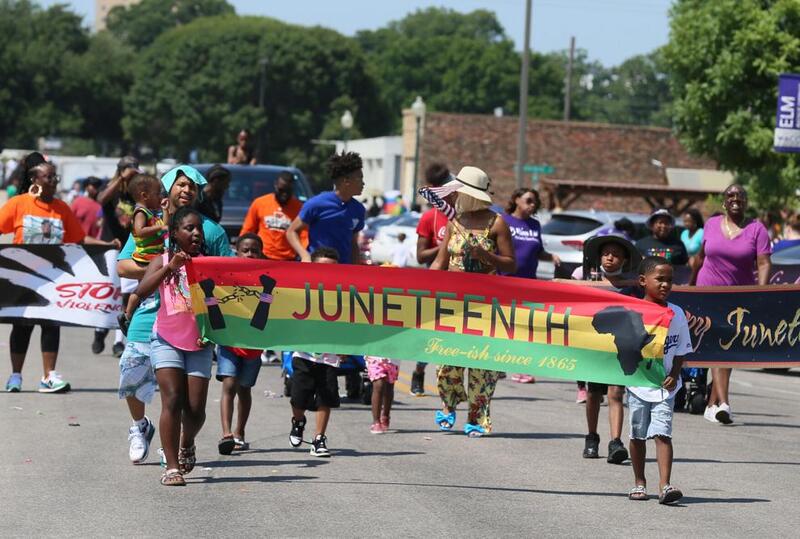
Juneteenth
On June 19, 1865, enslaved people in Galveston, Texas, heard the news of their freedom. More than two years earlier, President Abraham Lincoln had issued the Emancipation Proclamation to establish the…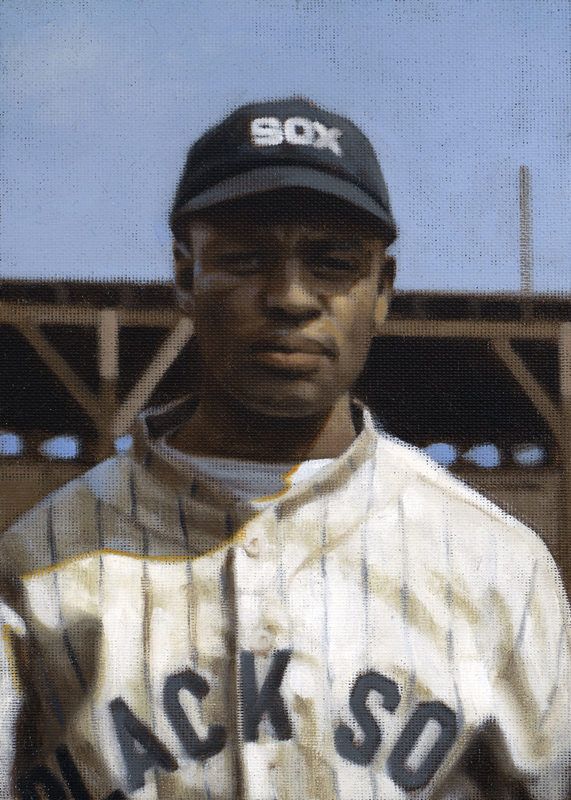
Crush Holloway
Two popular amusements at the turn of the twentieth century—staged locomotive collisions and baseball—came together in the life of Crush Holloway. As the story goes, Holloway’s father went to see the…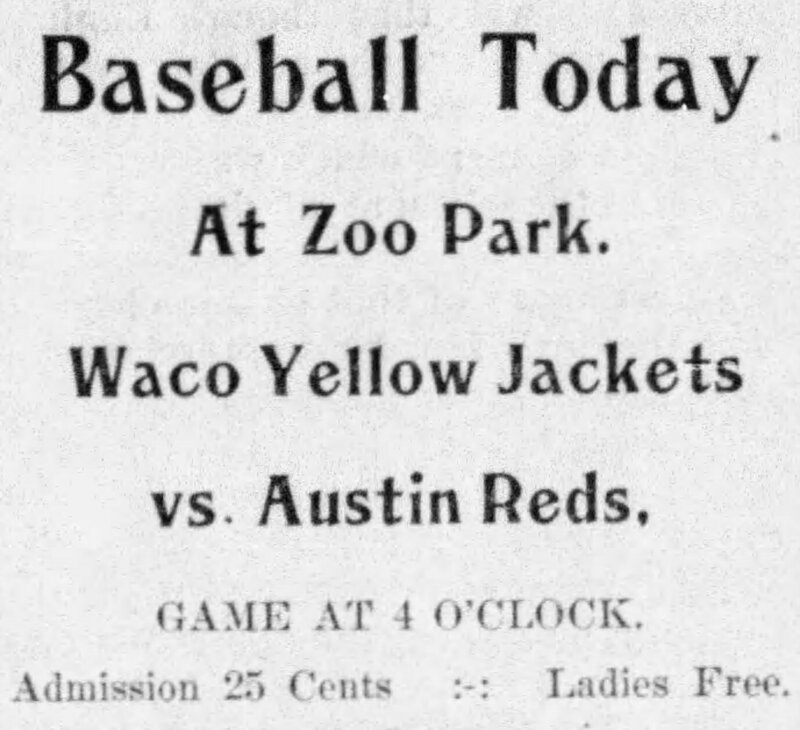
Black Baseball in Waco
As “America’s pastime,” baseball also imbibed the country’s original sin: racism. This scourge haunted the game from its earliest days, but by the start of the twentieth century the formal segregation…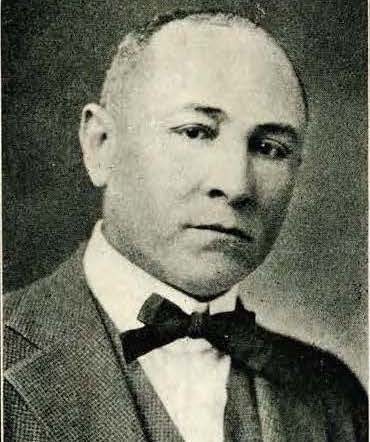
Richard D. (R.D.) Evans
Long before President Lyndon B. Johnson signed the Voting Rights Act of 1965, attorney Richard D. (R.D.) Evans waged the fight for civil rights from his Waco law office. As Waco’s first African…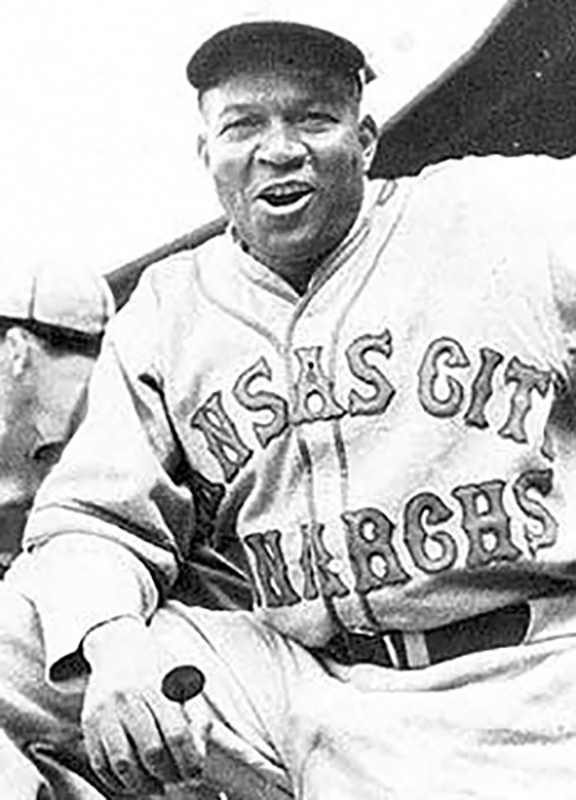
Andrew Lewis Cooper
Known throughout the nation for his pitching prowess, Andy Cooper made a name for himself at a time when segregation placed limits on black baseball. Now known as the nation’s pastime, baseball has…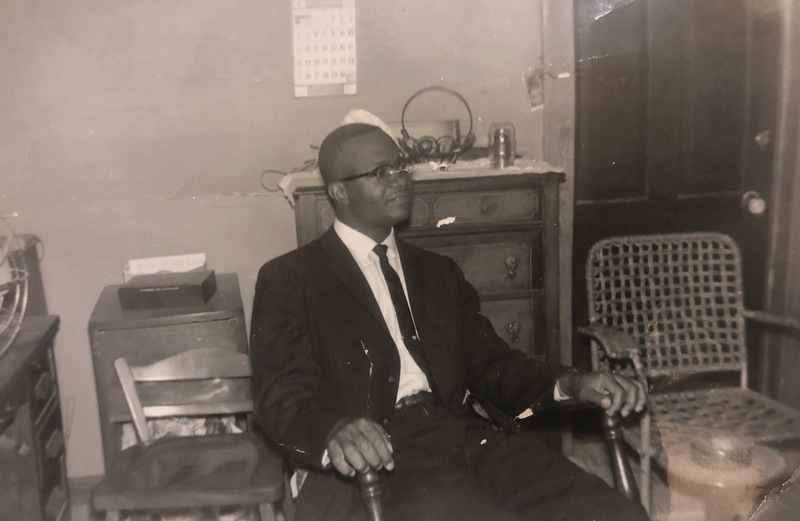
Marvin C. Griffin
During the 1950s and 1960s, Rev. Marvin C. Griffin strove to bring the Christian gospel to bear upon the civil rights struggle in Waco. As minister of New Hope Baptist Church from 1951 to 1969,…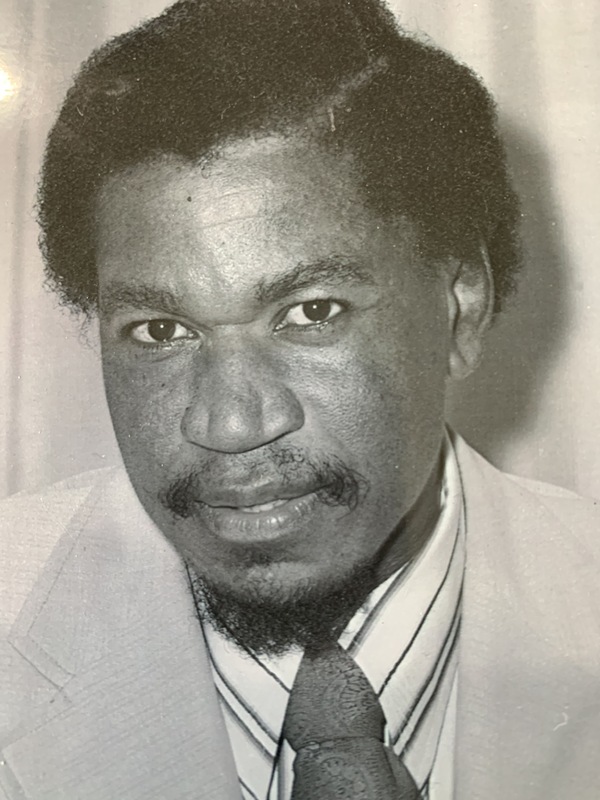
Robert Gilbert
Despite many obstacles, Robert Gilbert offered “no excuses” when he found himself at the forefront of enacting racial integration and advancing civil rights in Waco. His efforts left an indelible mark…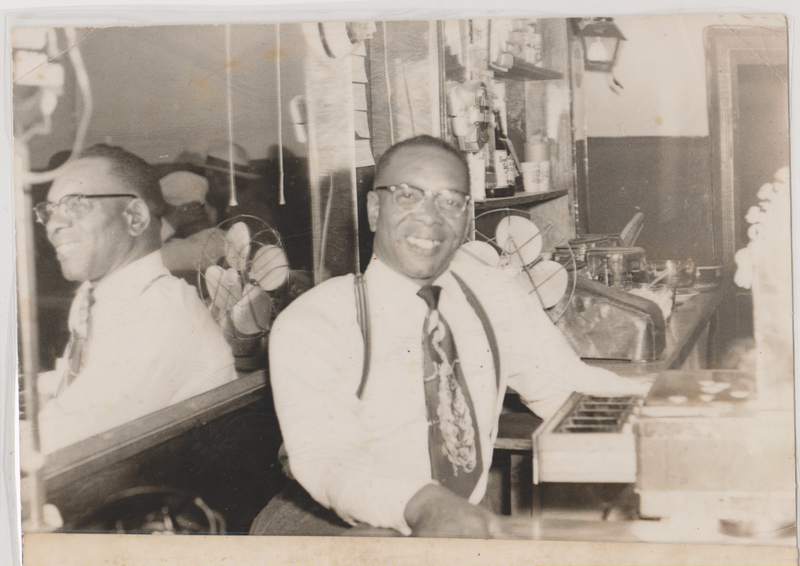
Walker's Auditorium
Beginning in 1945, the sounds of big bands, the blues, and rock blended on the dance floor of East Waco’s Walker’s Auditorium. Continually looking for ways to serve his community, African American…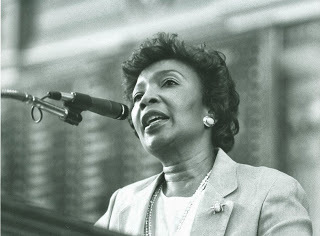
Eddie Bernice Johnson
Eddie Bernice Johnson is a champion of minority and women’s rights representing Texas in the United States House of Representatives. Not only that, she fights to support the sciences and women in STEM…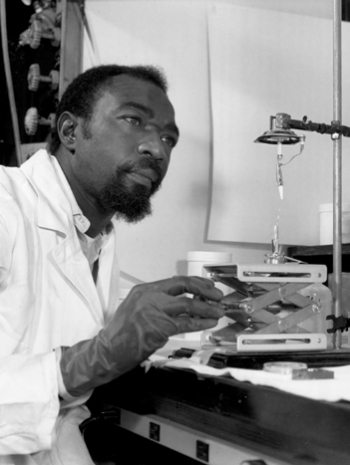
James Andrew Harris
James Andrew Harris shook the science world in 1969 for two reasons. First, he co-discovered elements 104 and 105 on the periodic table, a massive accomplishment. Second, he was the first African…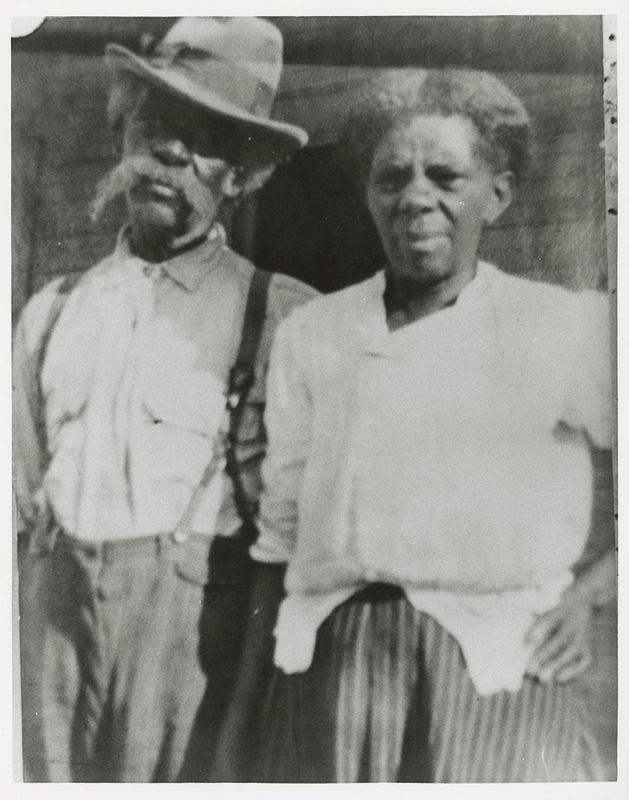
Uncle Dan McLennan
Dan “Uncle Dan” McLennan was born in 1849 as a slave to Neil McLennan in what would a year later become known as McLennan County, named for his master. Uncle Dan became a beloved member of not only…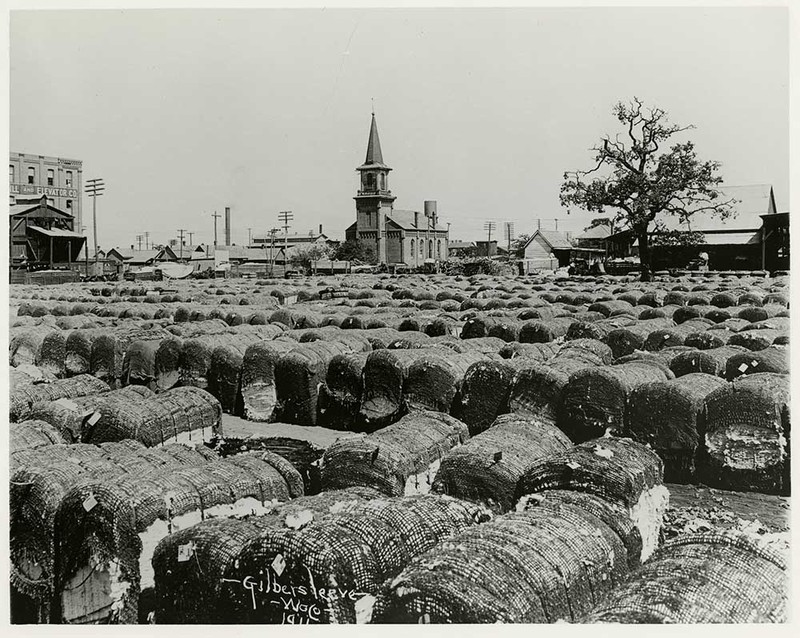
Cotton
For nearly half a century, cotton reigned as king of Waco's economy, establishing the once small frontier town as a thriving urban center known throughout the country. The area later named Waco…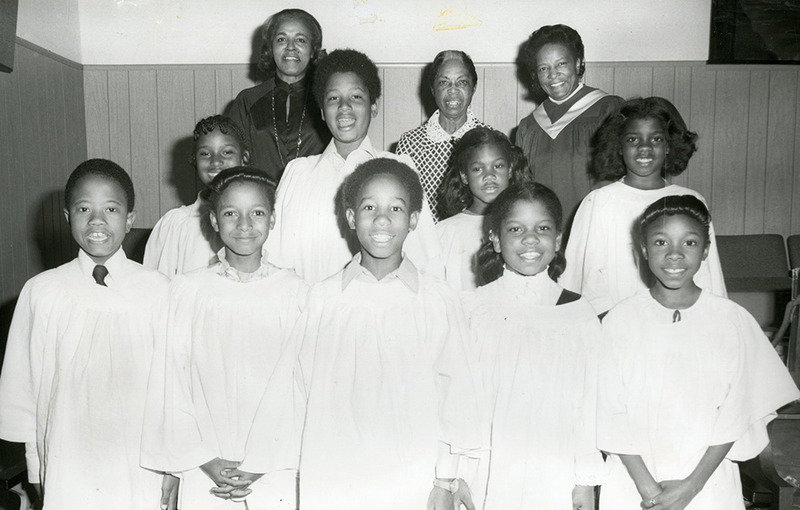
New Hope Baptist Church
Organized in 1866, New Hope Baptist Church is one of the oldest African American churches in Waco. Noted throughout its history for its excellent church music programs, New Hope is still a vibrant…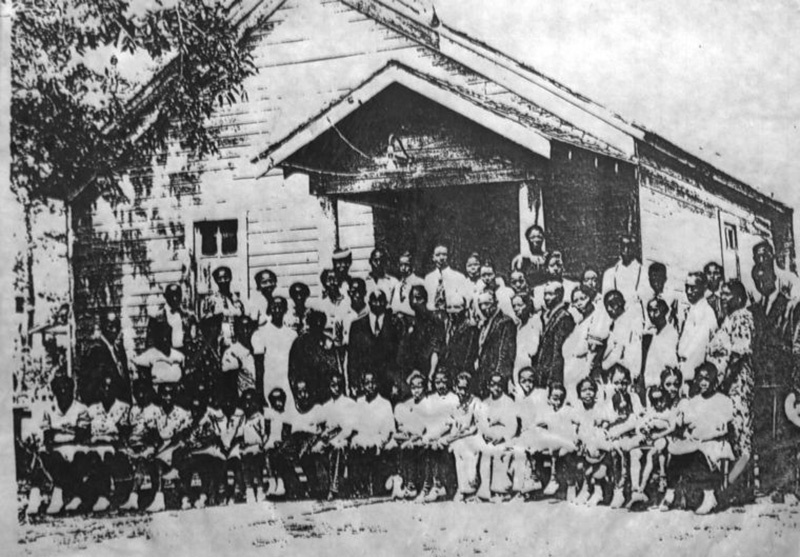
Greater Ebenezer Baptist Church
Although born of humble beginnings, Greater Ebenezer Baptist Church has been lifting Wacoans up in worship for over a century. The church now known as Greater Ebenezer Baptist began as Oak Street…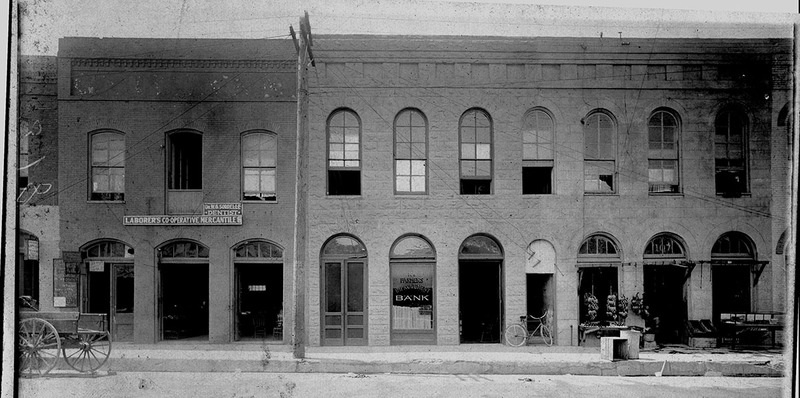
Farmers' Improvement Society
In the late nineteenth and early twentieth centuries, the Farmers’ Improvement Society (FIS) worked to help poor farmers escape the cycle of debt caused by the share cropping and credit system which…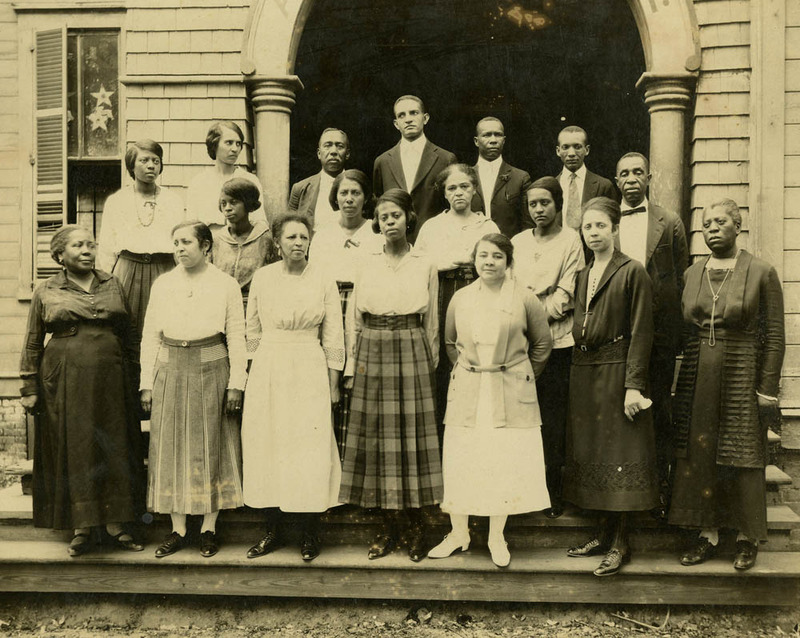
A. J. Moore High School
In 1875, Professor Alexander James Moore of Paul Quinn College, concerned at the lack of quality education for African American children in Waco, began teaching small groups of young children out of…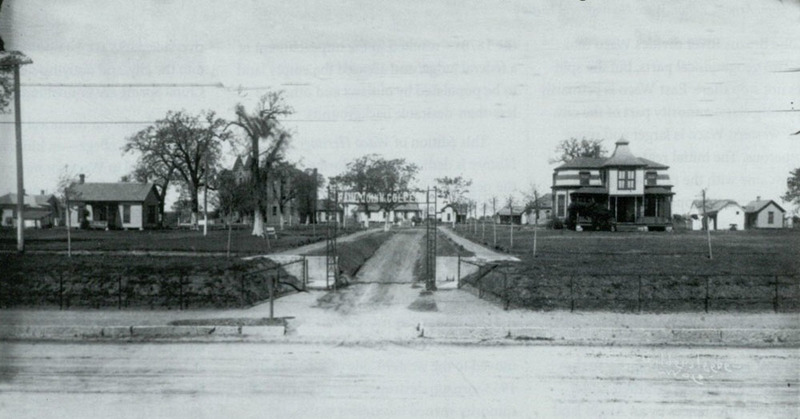
Paul Quinn College
Paul Quinn College is the oldest historically black college in Texas. Though it is no longer located in Waco, it remains an important part of the city’s history as the “Athens on the Brazos.” In 1872…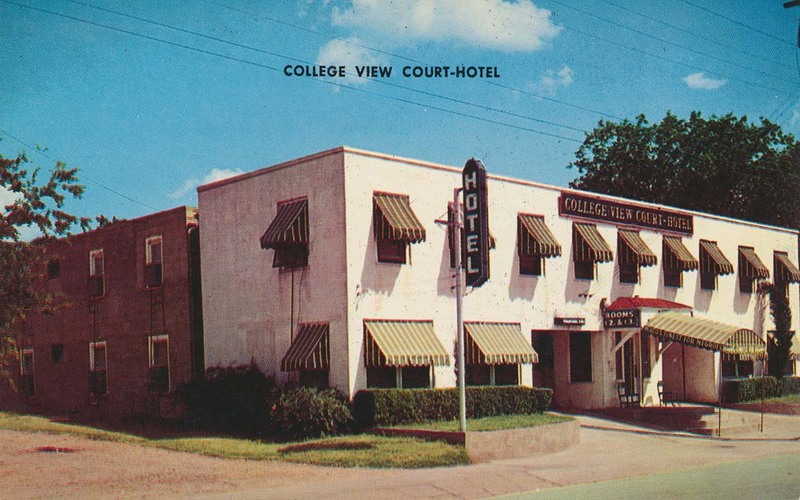
College View Court-Hotel
An African American-owned hotel during the period of segregation and Jim Crow laws, the College View Court-Hotel provided respite for black travelers on the road. The College View Court-Hotel offered…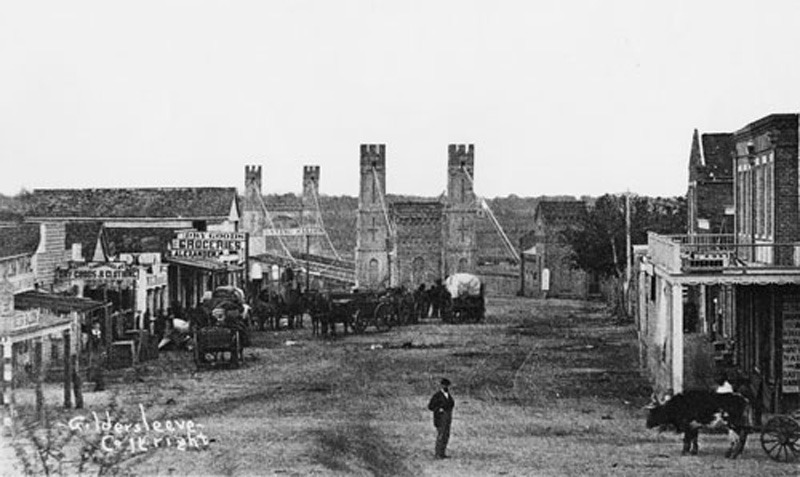
Bridge Street
Bridge Street holds an important legacy of connecting North, South, and East Waco, and serving as a center of community for the city’s many ethnic groups. Known as Main Street during Waco’s early…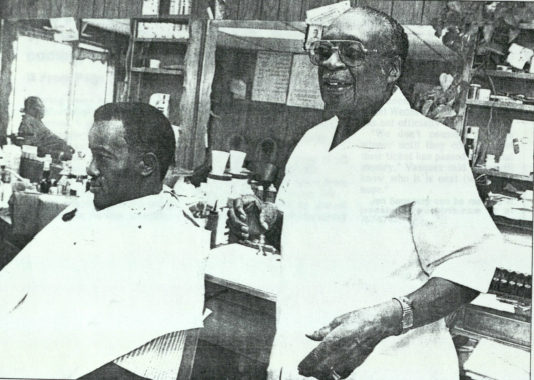
The Jockey Club Barbershop
In the early part of the twentieth century, the area around Bridge Street on the west side of the Brazos River, known as the square, was home to various bars, restaurants, grocery stores, offices,…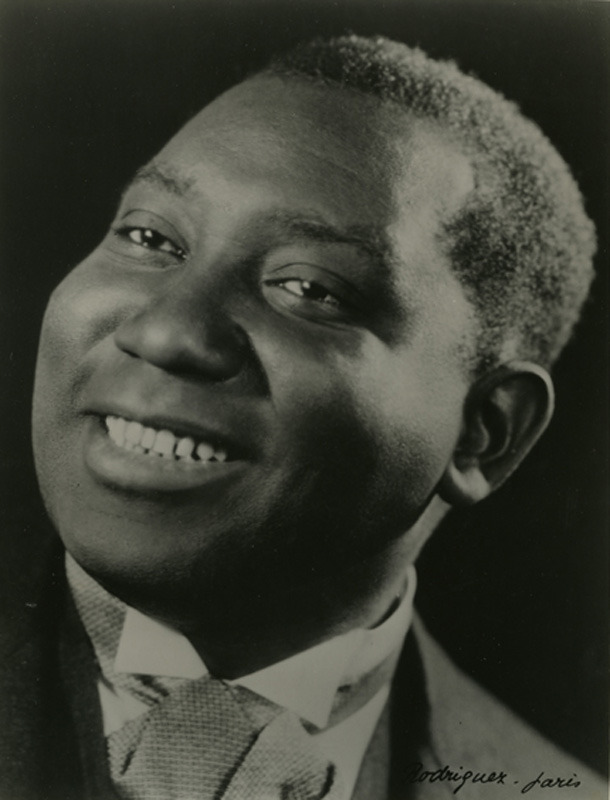
Jules Bledsoe
Julius “Jules” Bledsoe’s extraordinary musical talent transcended racial discrimination of the nineteenth century and established him as a pioneer in American music. Bledsoe was born on December 29,…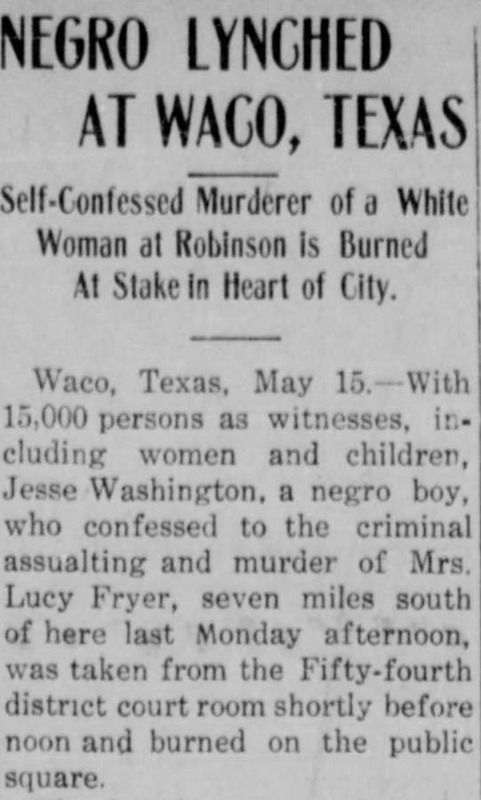
Jesse Washington Lynching
Society in the South evolved ensuing the emancipation of slaves after the Civil War. The Reconstruction of the South ended in 1877 and only added to the bad racial tensions in the region. Whites…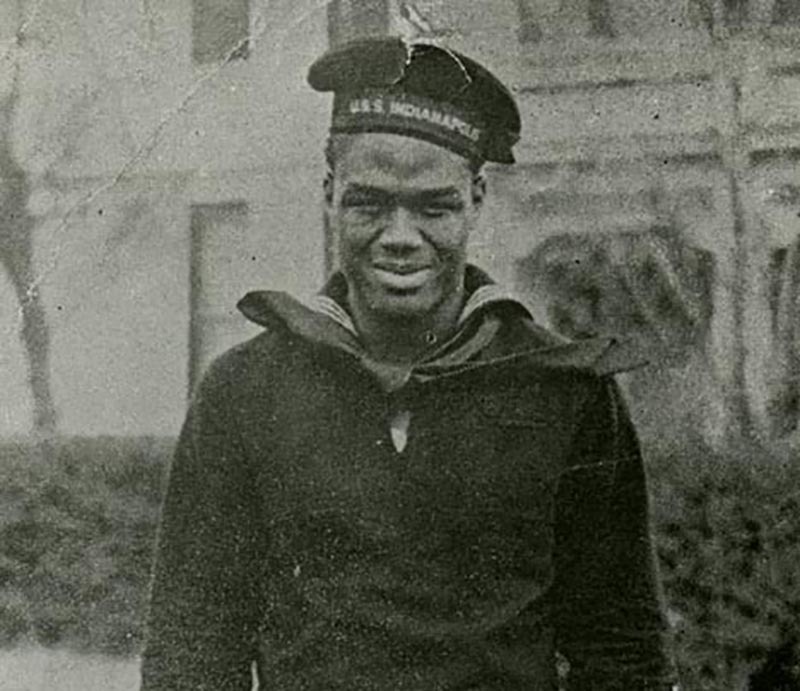
Doris Miller
Among the names of the many individuals who served valiantly during World War II, Waco’s own Doris Miller was a hero of national and international acclaim. Although many noted the valor he displayed…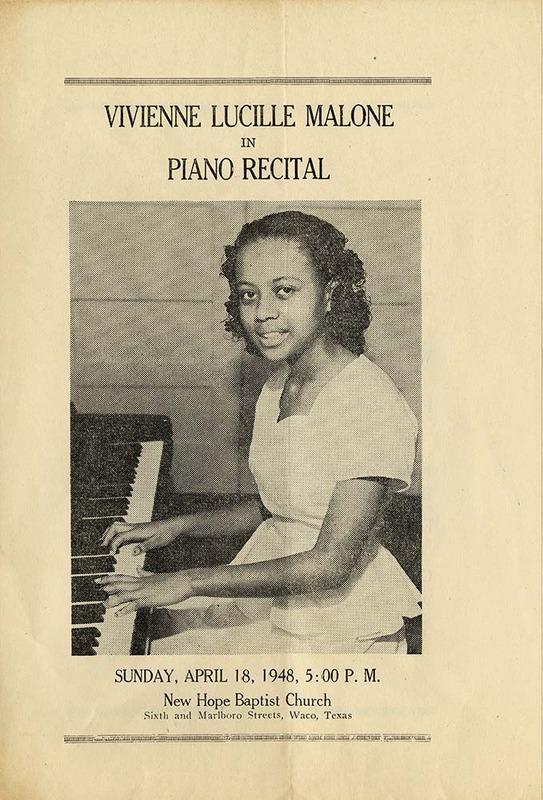
Vivienne Lucille Malone-Mayes
Waco native Vivienne Lucille Malone-Mayes possessed a sharp mind with a resilient spirit to match. In an age where few women, let alone women of color, went on to become prominent figures in higher…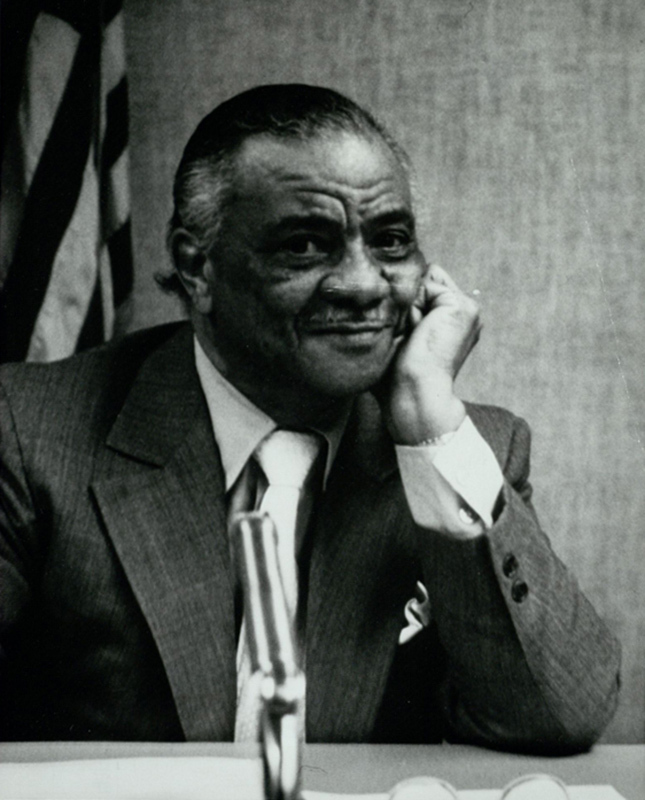
Oscar DuCongé
The first African American mayor of a major city in Texas, Oscar DuCongé rose to local prominence through his civil service and selfless dedication to improving life for all Wacoans. Born in Pass…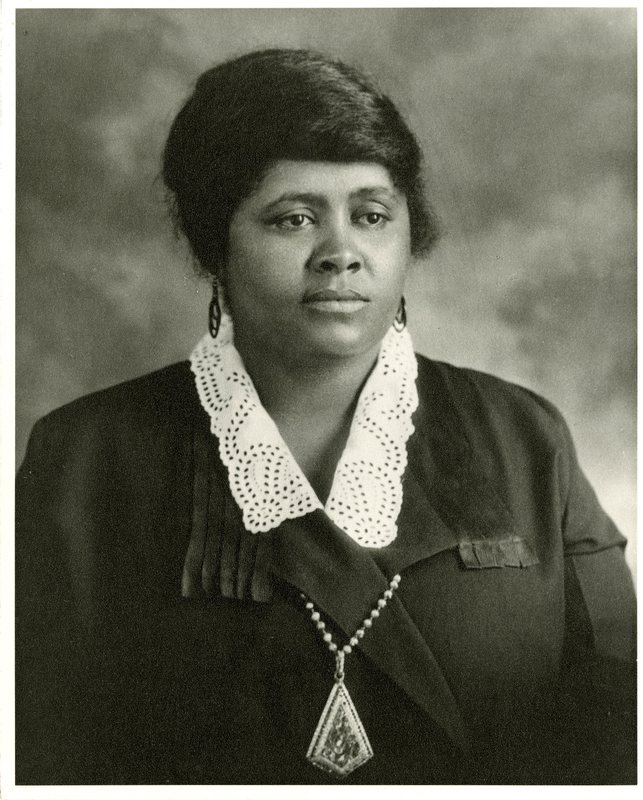
Jeffie Conner
Jeffie Obrea Allen Conner was born in 1895 on her family’s farm in Harrison Switch, Texas. She was the oldest of three children born to Meddie Lilian and Jeff D. Allen. Harrison Switch, later known as…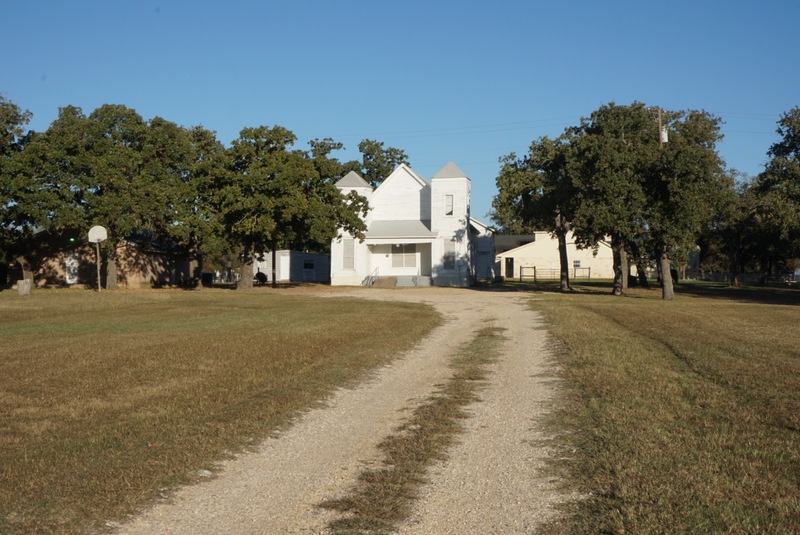
African American Community of Robinsonville
In 1852, John Robinson arrived in Central Texas, from Demopolis, Alabama, with his family and six slaves, founding what would soon become known as Robinsonville. Two years later, his brother Levi…Tour curated by: Baylor University Institute for Oral History & The Texas Collection